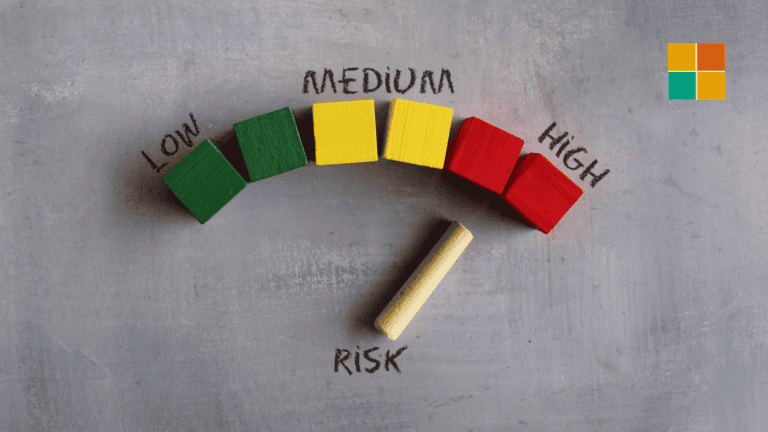
Life is a series of opportunities, but they often come with risks. Risk-taking is an art that requires courage, calculated decision-making, and an ability to navigate uncertainty.
In this article, we’ll explore the art of risk-taking and how it can lead to personal and professional growth. By understanding the mindset of successful risk-takers, learning effective strategies, and embracing uncertainty, you can harness risk to unlock new possibilities and achieve extraordinary outcomes.
Key Takeaways
- Calculated Over Blind Risk: successful risk-taking is never an uneducated gamble; it requires analysing data, weighing probabilities, and researching potential outcomes before acting
- The Growth Mindset Advantage: viewing failure as a rich source of data and a temporary stepping stone, rather than a permanent defeat, is the psychological foundation of great risk-takers
- Active Risk Management: you cannot eliminate uncertainty, but you can control your response to it by building clear contingency plans (Plan B) and diversifying your resources
- Embracing the Unknown: uncertainty should not paralyse decision-making; instead, treat it as a necessary catalyst for business innovation and personal growth
- Resilience Predicts Success: the ultimate differentiator in navigating long-term threats is the ability to persist and rapidly adapt strategies when faced with inevitable setbacks
What Mindset Do Successful Risk-Takers Have?
Successful risk-takers possess a growth mindset rooted in resilience, viewing failure not as a permanent defeat but as a critical learning opportunity and a stepping stone to success.
This psychological foundation enables individuals to navigate uncertainty with confidence rather than fear. To adopt this mindset, focus on three core traits:
- Build daily resilience: understand that obstacles are temporary and can be overcome with persistence
- Embrace failure as data: analyse what went wrong instead of internalising the setback
- Commit to a growth mindset: believe that your abilities can be continuously developed through dedication and hard work
How Do You Make Calculated Decisions When Taking Risks?
However, risk-taking is not about blindly leaping into the unknown. It involves making calculated decisions based on careful analysis and evaluation. Successful risk-takers assess potential risks and rewards, consider the available information, and weigh the probabilities. They conduct thorough research, seek expert advice when necessary, and critically analyse the potential outcomes. By adopting a rational approach and gathering relevant data, you can make informed decisions that increase the likelihood of positive results.

How Can Embracing Uncertainty Unlock New Opportunities?
Embracing uncertainty is crucial because it opens doors to innovation, unexpected opportunities, and personal transformation that are impossible to find within your comfort zone.
Uncertainty is an inherent part of taking risks. Instead of fearing the unknown, successful individuals reframe it. When you accept that outcomes cannot always be guaranteed, you shift your perspective to see the unknown as an open invitation to explore new territories and expand your horizons.
Uncertainty is an inherent part of risk-taking, and embracing it is crucial. Successful risk-takers understand that uncertainty opens doors to new possibilities. They welcome the unknown, viewing it as a chance for growth and innovation. By accepting that risks come with unknown outcomes, you can shift your perspective and see uncertainty as an invitation to explore new territories and expand your horizons.
How Do You Effectively Manage and Minimise Risks?
The best strategies for managing risk-taking include proactively identifying potential threats, establishing flexible contingency plans, and diversifying your resources.
While you cannot eliminate risk entirely, active management dramatically increases your likelihood of success. Protect your ventures by utilising these proactive steps:
- Create contingency plans: always have a “Plan B” ready to deploy if initial conditions change
- Diversify resources: spread your capital, time, or energy to prevent a single point of failure
- Build partnerships: collaborate with others to share the weight and security of the risk
While risk-taking involves embracing uncertainty, managing risks is crucial to increase the likelihood of success. Successful risk-takers identify potential risks, assess their potential impact, and develop strategies to minimise or overcome them. This may involve creating contingency plans, diversifying resources, or seeking partnerships and collaborations. By taking proactive steps to manage risks, you can navigate the uncertain waters more effectively and increase your chances of success.
How Can You Learn From Setbacks and Failures in Business?
You can learn from setbacks and failures by objectively diagnosing what went wrong, extracting actionable insights, and immediately adjusting your future strategies.
Failures are inevitable when you push boundaries, but they are also your most valuable teaching tools. Instead of letting a setback discourage you, treat it as a practical case study. Adjusting your strategy based on real-world feedback turns a temporary loss into a foundational building block for future success.
Setbacks and failures are inevitable, but successful risk-takers view them as valuable learning opportunities. They analyse their failures, identify the lessons learned, and adjust their strategies accordingly. Rather than being discouraged by setbacks, they use them as stepping stones to future success. Adopting a growth mindset and embracing a culture of learning from failures can turn setbacks into stepping stones on your path to success.
How Do You Cultivate Resilience and Persistence?
You cultivate resilience and persistence by keeping your focus locked on long-term goals, viewing obstacles as temporary, and using setbacks as fuel to bounce back stronger.
The journey of risk-taking is rarely smooth, meaning determination is non-negotiable. To stay committed to your vision when the future is highly uncertain, you must consciously practice bouncing back from adversity, leveraging every difficult experience to strengthen your resolve.
Risk-taking requires resilience and persistence. Successful risk-takers understand that challenges and obstacles are part of the journey. They persevere in the face of adversity and focus on their goals. They bounce back from failures and setbacks, leveraging their experiences to fuel their determination. By cultivating resilience and persistence, you can navigate difficult times and stay committed to your vision, even when uncertain.
Frequently Asked Questions
What Is the Difference Between Calculated Risk-Taking and Blind Risk-Taking?
Calculated risk-taking relies on data, research, and a careful evaluation of potential outcomes before making a move. In contrast, blind risk-taking is based entirely on impulse or intuition without understanding the probability of failure or having a backup plan.
Why Is a Growth Mindset Important for Managing Risk?
A growth mindset is essential because it frames failures and setbacks as temporary learning experiences rather than permanent defeats. This perspective lets you adapt your strategies, build resilience, and keep pursuing opportunities without being paralysed by fear of making mistakes.
What Are the First Steps to Take When a Risk Results in Failure?
When a risk leads to failure, the immediate steps are to stop any further damage, objectively analyse what went wrong, and extract actionable lessons. Instead of focusing on blame, successful risk-takers treat the failure as data to refine their next strategy.
Can Effective Risk Management Completely Eliminate Uncertainty?
No, risk management cannot completely eliminate uncertainty because the future is inherently unpredictable. Instead, its purpose is to minimise the negative impact of unexpected events and prepare you to navigate those uncertainties more effectively when they arise.