What is a Key Risk Indicator (KRI)?
A Key Risk Indicator (KRI) is a quantifiable metric that measures and signals changes in an organisation’s risk profile, acting as an early warning system to prevent potential losses.
Effective risk management is crucial for organisations to navigate uncertainties and achieve their objectives in today’s dynamic business environment.
One essential tool in the risk management toolkit is Key Risk Indicators (KRIs). These metrics are vital in monitoring and managing risks across an organisation.
This post explores KRIs, their importance, and how they contribute to robust risk monitoring practices.
How Do Key Risk Indicators (KRIs) Work?
Key Risk Indicators are quantifiable metrics that provide early warnings of rising risk exposures across an organisation. They help risk managers and decision-makers signal potential issues before they escalate into significant problems.
Why Are KRIs Important in Risk Management?
- Early Warning System: KRIs act as an early warning system, alerting organisations to potential risks before they materialise into actual problems. This proactive approach allows for timely interventions and mitigation strategies
- Quantifiable Risk Measurement: By providing quantifiable data, KRIs enable organisations to measure and track risk exposures objectively. This quantification facilitates more informed decision-making and resource allocation
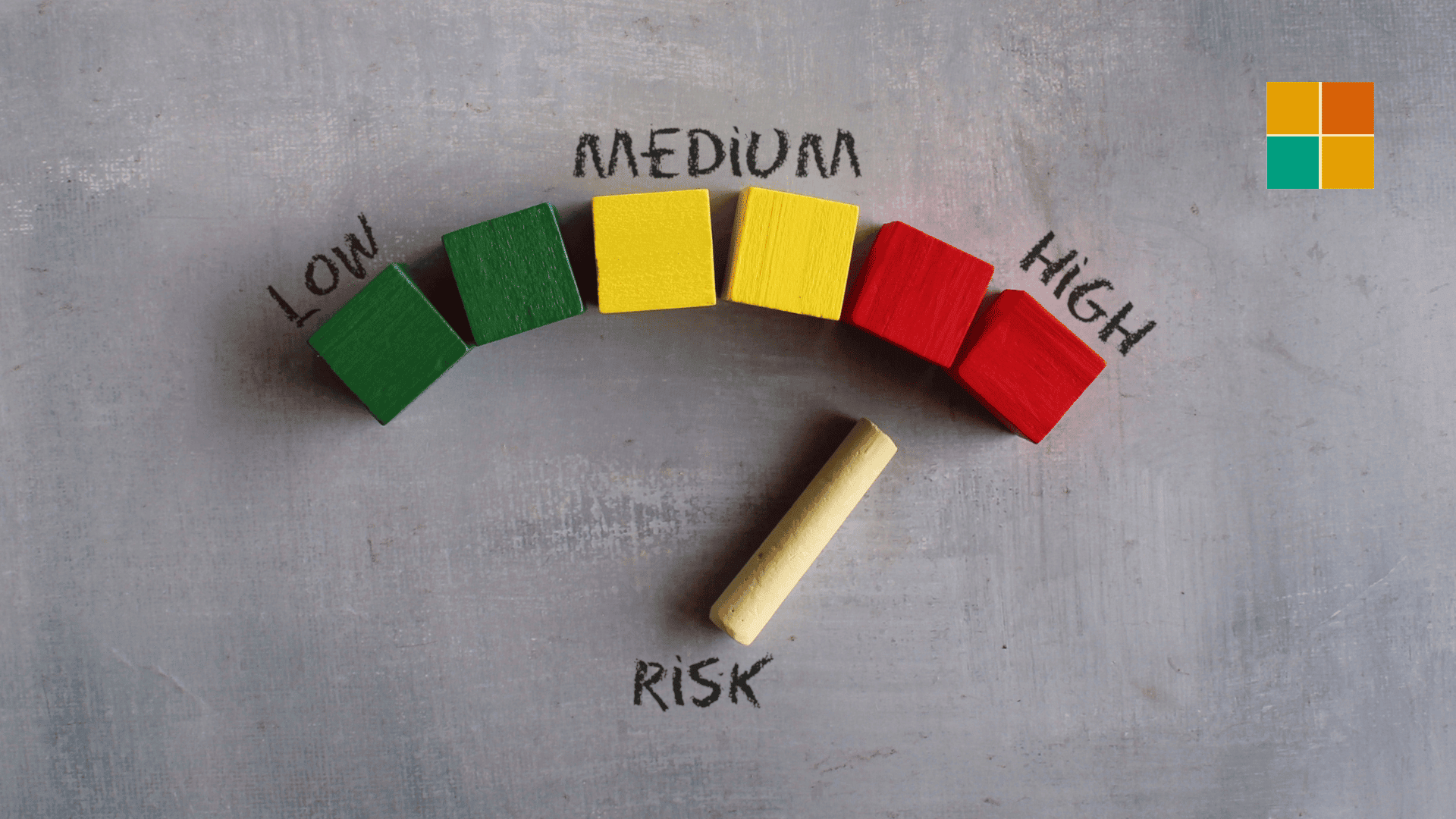
- Alignment with Risk Appetite: KRIs help organisations align their risk-taking activities with their defined risk appetite. By setting thresholds for KRIs, companies can ensure they operate within acceptable risk levels
- Continuous Monitoring: KRIs enable continuous monitoring of risk levels, allowing organisations to track trends and patterns over time. This ongoing assessment helps identify emerging risks and evaluate the effectiveness of risk mitigation strategies
- Enhanced Communication: KRIs provide a common language for discussing risks across different levels of an organisation. They facilitate clear communication about risk exposures and mitigation efforts between management, the board, and other stakeholders

How Do You Implement Effective KRIs?
To maximise the benefits of KRIs, organisations should consider the following best practices:
- Relevance: ensure that KRIs are directly linked to the organisation’s key risks and strategic objectives. They should provide meaningful insights into the specific risk areas that matter most to the company
- Measurability: KRIs should be easily measurable and quantifiable; this allows for consistent tracking and comparison over time
- Predictive Power: focus on indicators that have predictive capabilities. The best KRIs provide insights into future risk exposures rather than just reflecting historical data
- Timeliness: choose KRIs that can be updated and reported on time. The measurement frequency should align with the nature of the risk and the organisation’s ability to respond
- Actionability: Link KRIs to specific actions or responses. When a KRI threshold is breached, there should be clear guidelines for taking steps
- Regular Review: Review and update KRIs to ensure they remain relevant and effective in changing business environments and emerging risks
What Are Real-World Examples of Key Risk Indicators?
KRIs can vary widely depending on the industry and specific risks an organisation faces. Some examples include:
| Risk Category | Key Risk Indicator (KRI) Examples |
| Financial Sector | Loan default rates, liquidity ratios, or currency exchange rate volatility |
| Cybersecurity | Number of attempted security breaches, time to detect and respond to incidents, or percentage of employees who have completed security training |
| Operational Risk | Employee turnover rate, system downtime, or number of customer complaints |
| Supply Chain | Supplier delivery times, inventory levels, or geopolitical stability in crucial sourcing regions |

What Are the Key Takeaways for Implementing KRIs?
Key Risk Indicators (KRIs) are invaluable risk management tools. By providing early warnings, quantifiable metrics, and a framework for continuous monitoring, KRIs enable organisations to stay ahead of potential risks and make informed decisions.
As businesses face increasingly complex and interconnected risks, KRIs play an increasingly critical role in supporting robust risk monitoring and management practices.
By implementing well-designed KRIs and integrating them into their risk management processes, organisations can enhance their resilience and ability to navigate an uncertain business landscape.
Frequently Asked Questions
What is a Key Risk Indicator (KRI)?
A Key Risk Indicator (KRI) is a quantifiable metric organisations use to track, monitor, and signal changes in their risk profile. Functioning as an early warning system, KRIs alert risk managers to potential threats before they escalate into major operational or financial crises.
What is the difference between a KRI and a KPI?
While both are essential performance management tools, Key Performance Indicators (KPIs) measure historical success toward strategic goals (lagging metrics). In contrast, Key Risk Indicators (KRIs) monitor potential future obstacles and vulnerability levels (leading metrics). KPIs show how well an organisation has performed, while KRIs show what might prevent future success.
What is the difference between a leading and a lagging KRI?
A leading KRI provides predictive insight into emerging risks before an adverse event occurs, such as a spike in unpatched IT system vulnerabilities. A lagging KRI measures risk exposure after an event has already occurred, such as the total number of security breaches in the previous quarter.
How many KRIs should an organisation monitor?
Organisations should avoid metric fatigue by tracking a concise set of key metrics. A standard rule of thumb is to monitor 3 to 5 core KRIs per principal risk category. Focusing on a small set of high-impact indicators ensures management can effectively act on alerts rather than getting lost in data volume.
What makes an effective Key Risk Indicator?
An effective KRI must be:
- Measurable: Based on consistent, verifiable data points rather than subjective opinions.
- Predictive: Capable of signalling future risk exposure instead of merely reporting past incidents.
- Actionable: Directly tied to defined risk appetite thresholds that trigger immediate, specific response protocols when breached.
- Relevant: Linked directly to the organisation’s top strategic goals and risk profile.
How often should KRIs be monitored and updated?
Monitoring frequency depends on risk velocity. High-velocity areas like cybersecurity or liquidity risk may require real-time or daily KRI tracking, while strategic or reputational risks are typically monitored monthly or quarterly. KRIs should be formally reviewed and recalibrated at least annually to adapt to changing market conditions.