Yes, investing in risk management is worth it. While it requires an upfront cost, it serves as a financial safety net that reduces preventable losses, lowers insurance premiums, and builds essential stakeholder credibility, safeguarding a business’s long-term viability.
Risk management is often overlooked during a start-up because start-ups are led to think it’s too expensive, unnecessary, and complex. Every seasoned entrepreneur will tell you it’s not a question of whether you should invest in risk management, but how much you should invest.
It’s easy to dismiss risk management as an unnecessary expense, especially in the early days of your new business. But actually, it’s an investment in the long-term viability of your venture, one that will help you avoid the pitfalls that can occur in many businesses and the severe losses that can result.
In this blog, we’ll explore why risk management is a worthwhile investment, and the best you’ll ever make.
Key Takeaways
- Proactive Prediction: risk management provides the “prediction powers” necessary to identify vulnerabilities before they escalate into costly operational disruptions
- Strategic Decision-Making: by quantifying potential threats, businesses can drive more confident, data-backed decisions regarding resource allocation and growth
- Institutional Credibility: implementing a formal risk framework builds essential credibility with investors, stakeholders, and regulatory bodies
- Financial Protection: investing in risk management serves as a long-term cost-saving measure by reducing insurance premiums and preventing avoidable financial losses
- Operational Agility: a structured approach to risk keeps an organisation agile, allowing for faster pivots and greater resilience during market volatility
Risk vs Reward Matrix
| Business Focus | Without Risk Management | With Risk Management Investment |
| Prediction Powers | Reactive: issues are only addressed after they cause damage. | Proactive: potential threats are identified and neutralised early. |
| Decision-Making | Guesswork: decisions are made based on intuition or incomplete data. | Data-Driven: strategy is guided by quantified risk assessments. |
| Credibility | Fragile: a single unforeseen event can destroy stakeholder trust. | Robust: demonstrated preparedness attracts investors and partners. |
| Financial Impact | High Loss: unmanaged risks lead to catastrophic financial drains. | Cost-Efficient: reduced insurance premiums and mitigated losses. |
| Agility | Rigid: market shocks often lead to business failure or stagnation. | Flexible: resilient infrastructure allows for fast, safe pivots. |
So, what’s all this hullabaloo about risk management?
Put another way, risk management is about identifying, assessing, controlling, and mitigating risk factors over the project’s life cycle. It’s a safety net for catching the bad before it falls on your well-built business castle and keeps it from becoming a ruin. Risk management increases certainty, improves the chances of success, and maximises returns. Sure, it’s a fancy tool, but it’s not a luxury; it’s a sustainability and growth issue.
Risk is intrinsic to business. If your business were in any way risk-free, it would be as real as unicorns: cute to think about but impossible. Risks can be low, such as a supplier delay or a global pandemic affecting your business. Ignoring or underestimating it can have disastrous consequences.
Let’s look at why risk management is a prudent investment:
How Does Risk Management Help Predict and Prevent Business Threats?
If you use risk management, you can foretell the future, not in some mystical, crystal-ball manner, but in a calculative, pragmatic one.
Suppose you quantify your risks by naming them and assessing their impact and likelihood. Then you can manage them better when they arrive. It’s not guaranteed, but your odds are far better than before.

How Does Risk Management Drive Better Strategic Decision-Making?
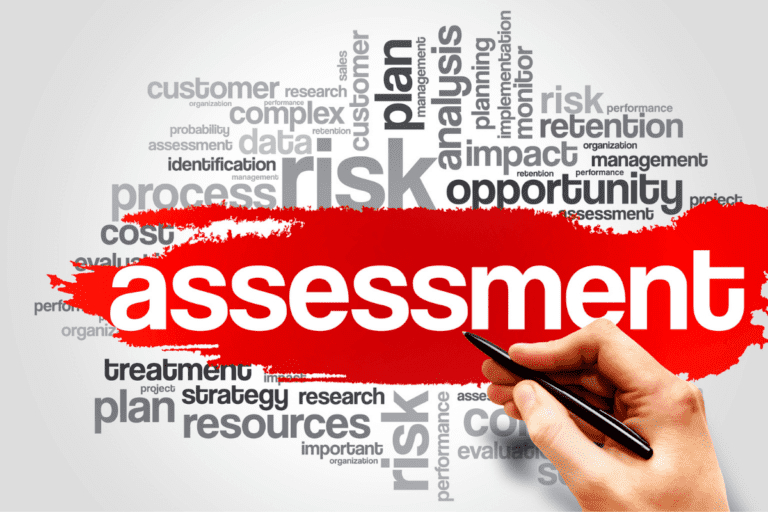
Risk assessment is a fundamental part of almost every business decision, and the information gleaned can inform strategy, budgeting, and everything you do in business. You make better, more informed business decisions when you implement sound risk management.
Why Does a Risk Management Plan Build Corporate Credibility and Trust?
Ever wondered what distinguishes a brand that can build a lasting customer base?
It’s credibility.
If you have a good risk management plan in place, you’re telling all your stakeholders, including your customers, employees, investors, and suppliers, that you are ready to deal with whatever arises; you’re reliable. You are also creating a secure reputation for your business in their minds.
How Does Investing in Risk Management Save Your Business Money?
‘Wait a minute,’ you might be thinking, ‘how does spending money save money?’ Despite the upfront investment, risk management can save you big bucks down the road. It helps you avoid preventable losses, prevent tragedies, and potentially reduce insurance premiums.
How Does Risk Management Improve a Company’s Operational Agility?
The more risk you can manage, the stronger you are against the inherent vulnerabilities every business faces. A robust risk-management process helps your business stay agile, responsive, resilient, and able to keep moving when it faces its own ‘black swan’ moment. Agility is the new currency as businesses change at a breakneck pace.
Conclusion: Is a Risk Management Program Worth the Investment?
The initial investment cost will seem an unwelcome burden. However, recognising that risk management is, in fact, a preventive and protective cost will help you understand the value of what is spent.
Risk management isn’t an afterthought; it’s part of your business strategy. You don’t want to be taught this lesson the hard way, do you?
‘He who fails to plan is planning to fail,’ the famous quote states. Don’t let your business fail or miss out on the advantages of risk management. No silver bullet exists for running a risk-free business; you’ll face risk at some point. However, a good risk management plan will ensure you stay ahead of the pack.
Should you invest in risk management? In my view, a resounding yes. The real question is, can you afford not to?
Frequently Asked Questions
What are the “prediction powers” of a risk management plan?
Risk management gives a business predictive powers by utilising historical data, trend analysis, and vulnerability assessments. Instead of reacting to crises, organisations can anticipate potential operational disruptions and neutralise them before they impact the bottom line.
How does risk management drive better strategic decision-making?
It removes guesswork from business strategy. By quantifying the likelihood and financial impact of potential threats, leadership can make data-backed choices on project funding, market expansion, and resource allocation.
Why does investing in risk management build corporate credibility?
Investors, partners, and regulatory bodies require stability. Demonstrating a formalised risk framework proves to stakeholders that your business is mature, compliant, and equipped to protect their capital against unexpected market volatility.
Is risk management an unnecessary expense, or does it save money?
It is a major cost-saving measure. While it requires an upfront investment, it actively saves money over time by preventing catastrophic financial losses, minimising legal liabilities, and qualifying the company for lower insurance premiums.
How does risk management keep a company agile during a crisis?
Agility requires infrastructure. A solid risk strategy provides pre-mapped contingency plans, allowing a business to pivot rapidly and confidently during a market shock rather than falling into operational panic.