Balancing High Stakes and Levity: Why Humour Is Your Strongest Risk Management Tool
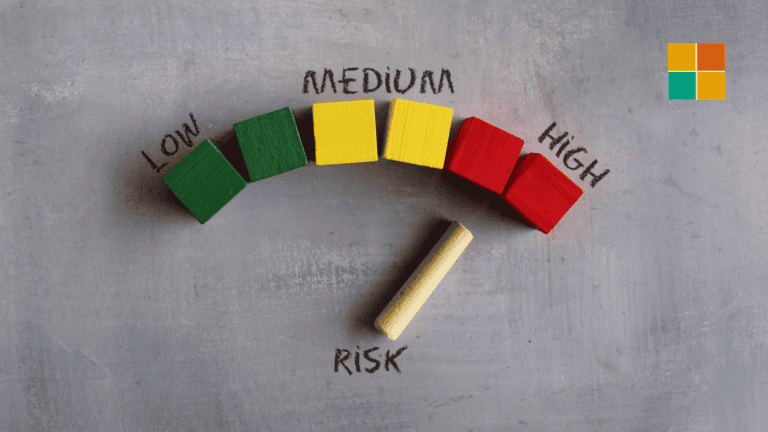
Running a business brings unexpected minefields, tense boardroom decisions, and high-stakes crises. But while risk is serious, your response doesn’t have to be rigid.
Welcome to a fresh perspective on corporate resilience. Below, we explore how embracing levity, positive perception, and a growth mindset can dismantle workplace stress, build unbreakable team dynamics, and transform sudden business threats into strategic growth opportunities.
No matter how weighty the decisions in corporate boardrooms may be, no matter how serious the stakes of failure, and no matter how fraught with risk the entrepreneurial spirit is, the business world can laugh. Even following the worst political, marketing, or personnel decisions.
Every decision has an equal and opposite reaction. The chances that your business will fall prey to one of them are far greater than your ability to focus on solving problems from sunrise to sunset. Anything can happen, even in our most well-crafted plans.
Yet, these are the days when laughter wins the race.
Key Takeaways
- Diffuses Crisis Tension: Strategic humour acts as a cognitive reset, lowering cortisol levels and breaking the panic cycle so teams can think clearly during corporate crises
- Reduces the Fear of Failure: Cultivating a “playful” work culture eliminates the shame associated with mistakes, encouraging employee transparency and faster risk identification
- Improves Team Resiliency: Teams that balance high stakes with shared levity build stronger psychological safety, making them 20% more adaptable to sudden market shifts
- Fosters Elastic Leadership: Rigid planning fails under pressure; adaptive leaders use flexibility and positive perception to turn unexpected threats into strategic growth opportunities
Why Is Humour Important in Modern Business Management?
Humour is an essential tool for those who want to combat adversity; it turns ‘lemon’ into ‘lemonade’, scythes away impeding arrows of stress, and creates safe pockets of camaraderie among teams threatened by the harsh realities of the outside world.
How Can Leaders Identify Risks and Opportunities With a Positive Attitude?
What Are the Most Common Management Risks in Business?
The first thing managers can do when smiling and risk-taking are related is to think of each risk as an opportunity disguised as a threat. Every risk presents an opportunity. So, instead of viewing risk with fear, consider how it offers opportunities for growth.
How Does Positive Perception Transform Business Challenges?
Reality is as perception is. And in business, it’s hard to think of anywhere that this is truer. With practice, you can transform fears from enemies into exciting adventures waiting to be discovered.
You can look forward to setbacks as an integral part of the journey. They turn from failures, experiments that failed, to be swept under the carpet, to successes. They become proof that humans refuse to be contained, never give up, and don’t let past setbacks and disappointments hold them back.
How Do You Prepare Your Business for Unexpected Disruptions?
What Are the Best Ways to Build a Resilient Team?
There’s no better insurance policy than a team conditioned to trust, communicate and be flexible.
The stronger the culture, the more resilient the team. Under pressure, resilient teams learn to adapt. They know they’re stronger together than they’ll ever be alone.
Why Is Strategic Flexibility Crucial in Risk Management Planning?
Stiffness, the antithesis of elasticity, is the enemy of dynamic growth in the business environment.
The adaptive leader lets plans stretch, then takes whichever path the forces of change dictate, turning adversity into an opportunity for evolution and innovation. Abandoning outmoded tactics, the focused leader can act, twisting in any direction.

How Do Leaders Respond to High-Stakes Corporate Crises With Levity?
How Can Humour Be Used to De-Escalate Workplace Tension?
Maintaining a unified stance is more manageable when things are going well. But when the chips are down, emotions run high, tensions rise, and some people press their panic button.
In these moments, as tension reaches a tipping point, humour can provide a cooling moment to gain perspective. During a crisis, when things can tip in an unfavourable direction, humour can offer a moment of levity where cooperation and goodwill can thrive. In this sense, humour and tension are opposing forces that push and pull us in different but complementary directions. Positive outcomes are most likely to emerge when we make progress in the same direction with these forces.
How Do Leaders Maintain Calmness and Composure in Chaotic Situations?
Calmness is a leader’s best friend in the middle of a battle. Remaining poised during storms helps leaders build confidence and trust in their team, enabling them to lead and unite through the next storm.
In a panic, leaders must set an example for themselves and their colleagues, staying unfazed and resolute in the face of adversity.
How Can Teams Learn From Business Mistakes Without Shame?
How Does a Growth Mindset Improve Risk Recovery?
Failures are part of the process of success, but too often, they’re met with shame and regret instead of curiosity.
With a growth mindset, you can make mistakes and learn from them, draw wisdom from every misstep, and ask what’s next.
Instead of beating yourself up for what went wrong, focus on what you can learn and how to move forward.
Why Should Organisations Celebrate Fast Failure as a Metric of Success?
Failure is not the end of the road, but the road you must take to succeed. Leaders who accept failure as a natural, necessary part of their progress can cultivate a culture of innovation and experimentation.
People in organisations feel empowered to take risks and, when they fail, feel confident to step up again in search of better outcomes without feeling like they’ll be judged or punished. If failure is considered shameful, people are less likely to want to experience it, let alone recover.
Viewed correctly, failure is a sign of courage, of pushing the limits of achievement, and of dreaming big.
How Do You Foster a Highly Creative and Innovative Workplace Culture?
How Does Playful Problem-Solving Drive Better Team Solutions?
Playful people exchange ideas and find common ground. Why not let people contribute to solving their own problems? Why not trust them to determine how they deliver in ways that bring out the best in the team?
If the workplace could be a place where playfulness is expressed, rolling confidence would develop, and innovations would spring up. Team members’ creativity would become part of the solution.
The leaders are involved but not doing the work; they are busy expanding playfulness. When a workplace is defined by ‘playful pathways’ to change, formal protocols and bureaucratic structures relax, and a calmness emerges.
Why Is Shared Laughter Essential for Creative Brainstorming Sessions?
Laughter is the sound of creativity playing, a crescendo of potential becoming a symphony of possibility. Enemies of laughter at brainstorming sessions set creativity at bay and inhibit innovation.
While creating psychological safety, brainstorming sessions must give participants a reason to trust.
A group discussion that calls for upbeat brainstorming makes colleagues feel at home as team members, where they can feel safe and become equal partners. Instead of being used as a meeting place that doubles as a morgue, engaging in an upbeat brainstorming session turns the meeting into a space where ideas become a source of play, pleasure, and delight.
Final Thoughts: How Does Humour Build Better Risk Management Systems?
Grinning and bearing management risk isn’t about surviving tempests of distress in a cutthroat business environment, but about the day-to-day reality of running a business.
I mean how people should make the most of their jobs. Working life is tough and would be hopeless without a sense of humour.
Learning to transform frowns into smiles can turn failure into success, adversity into opportunity, and setbacks into stepping stones.
Frequently Asked Questions
How can humour help in corporate risk management?
Humour serves as an essential tool for combating adversity and reducing workplace stress. By introducing strategic levity during high-tension situations, leaders can lower panic, de-escalate crisis points, and foster a cooperative environment where teams can communicate openly and navigate challenges with perspective.
What is the relationship between playfulness and workplace innovation?
Playfulness relaxes formal protocols and bureaucratic structures, creating “playful pathways” to change. When employees are trusted to problem-solve in a playful, low-pressure environment, it builds confidence, encourages creative collaboration, and lets new innovations naturally emerge from the team.
How do resilient teams handle unexpected business setbacks?
Resilient teams are conditioned to trust, communicate, and remain flexible. Instead of breaking under pressure, they adapt dynamically, abandon outmoded tactics, and view setbacks as temporary experiments rather than permanent failures, allowing them to pivot and grow stronger together.
Why is celebrating failure important for a growth mindset?
If failure is treated as something shameful, employees become risk-averse and hide mistakes. Celebrating failure as a natural step toward success empowers individuals to push limits, experiment, and extract valuable wisdom from every misstep without the fear of judgment or punishment.